Technical Specifications
| Specification | Details |
|---|---|
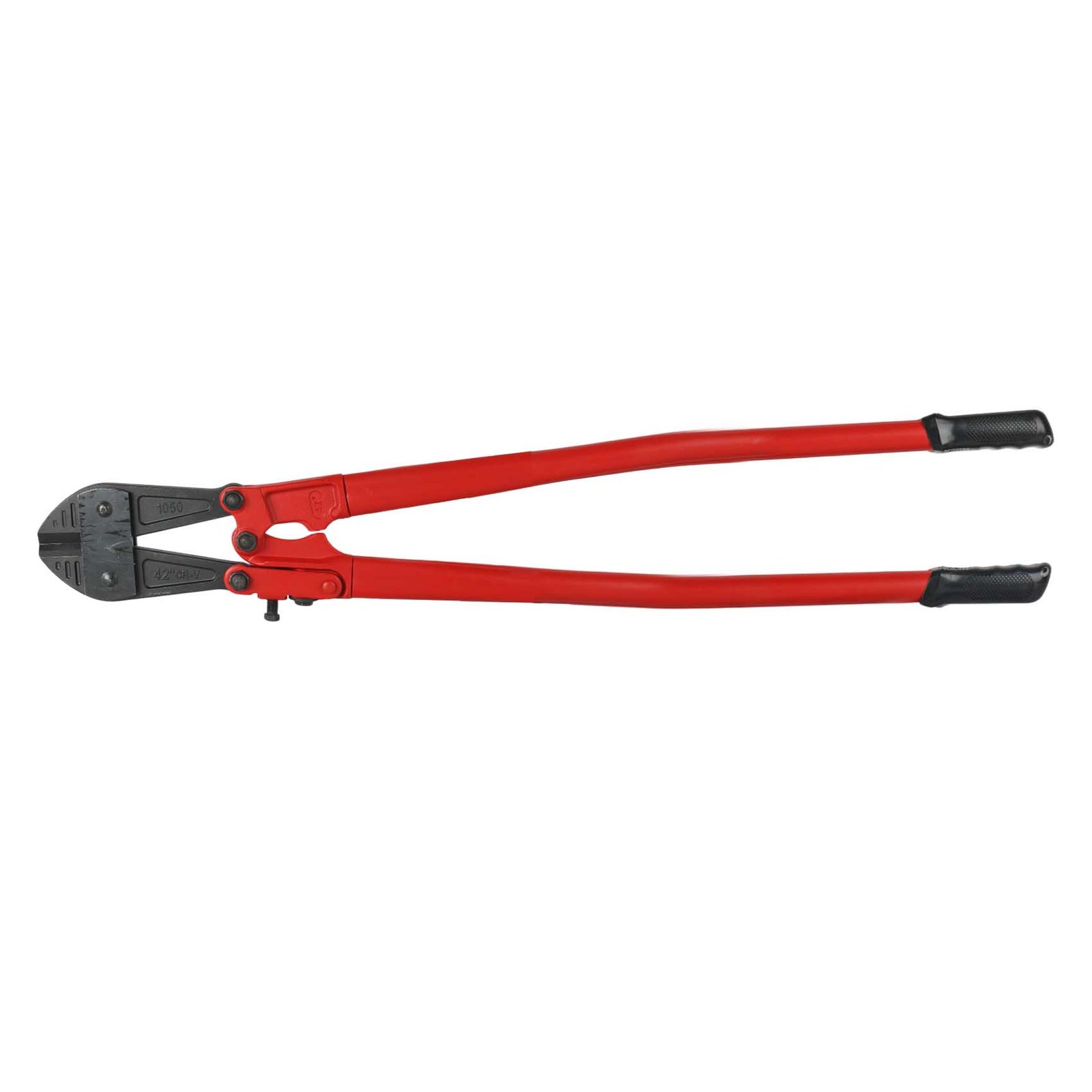
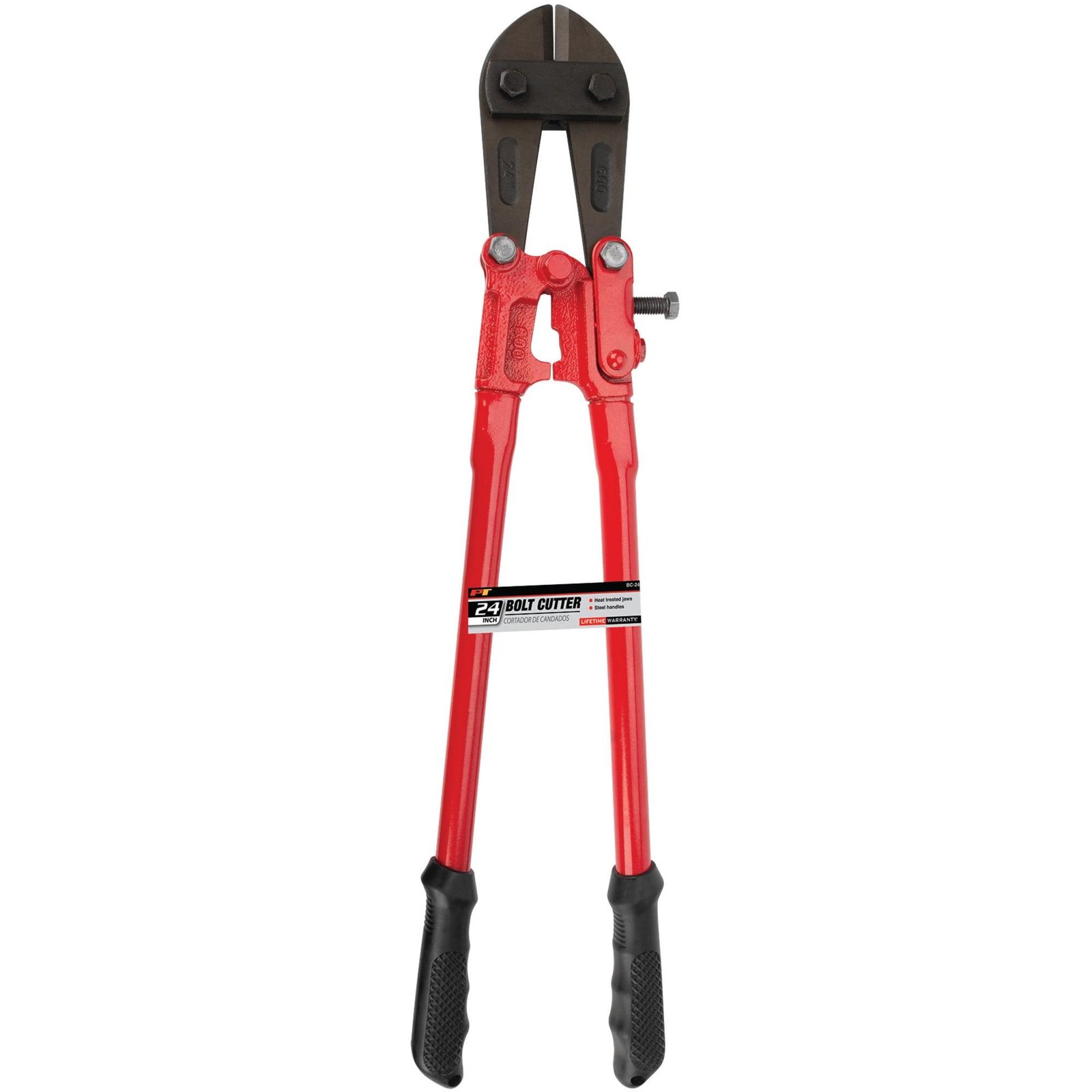
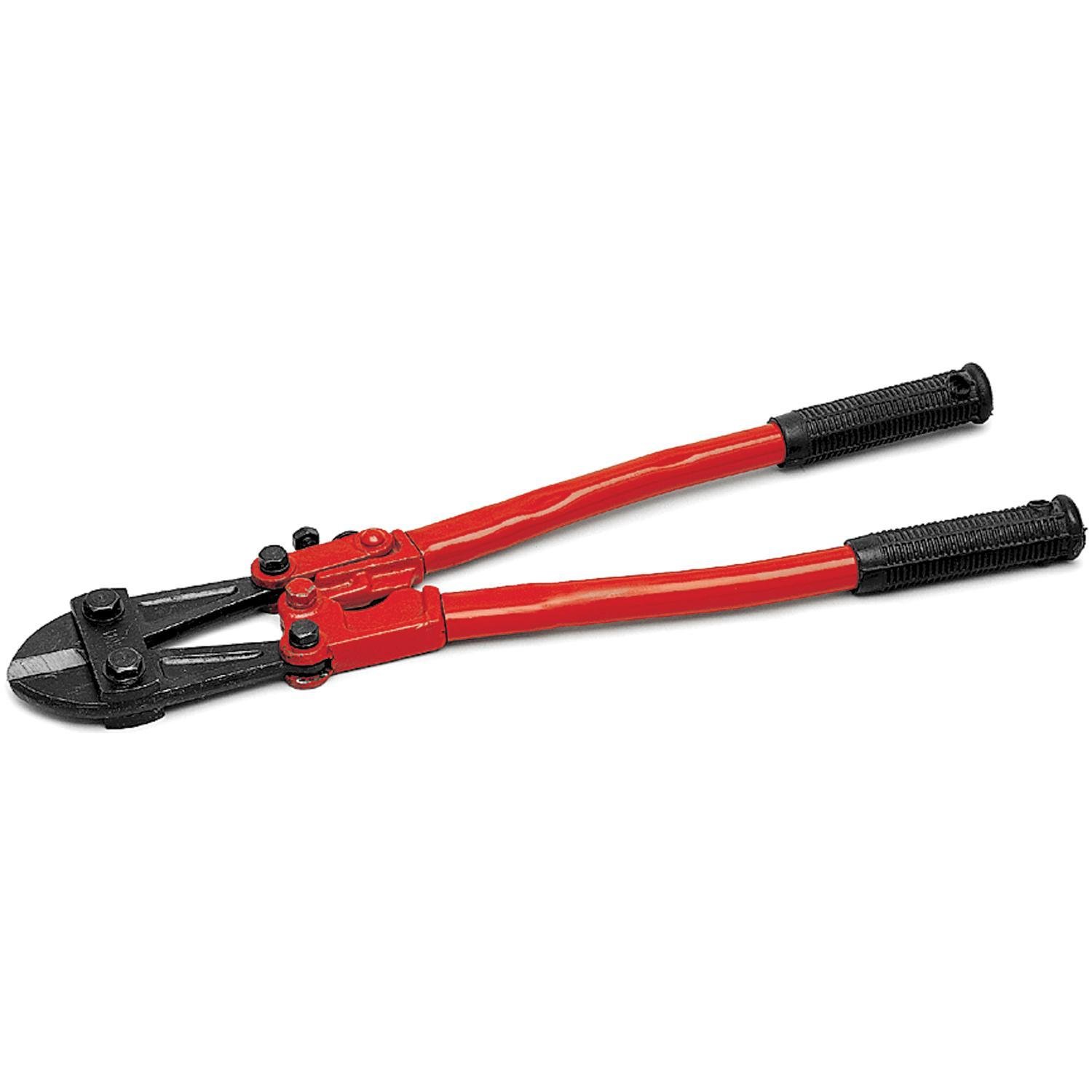
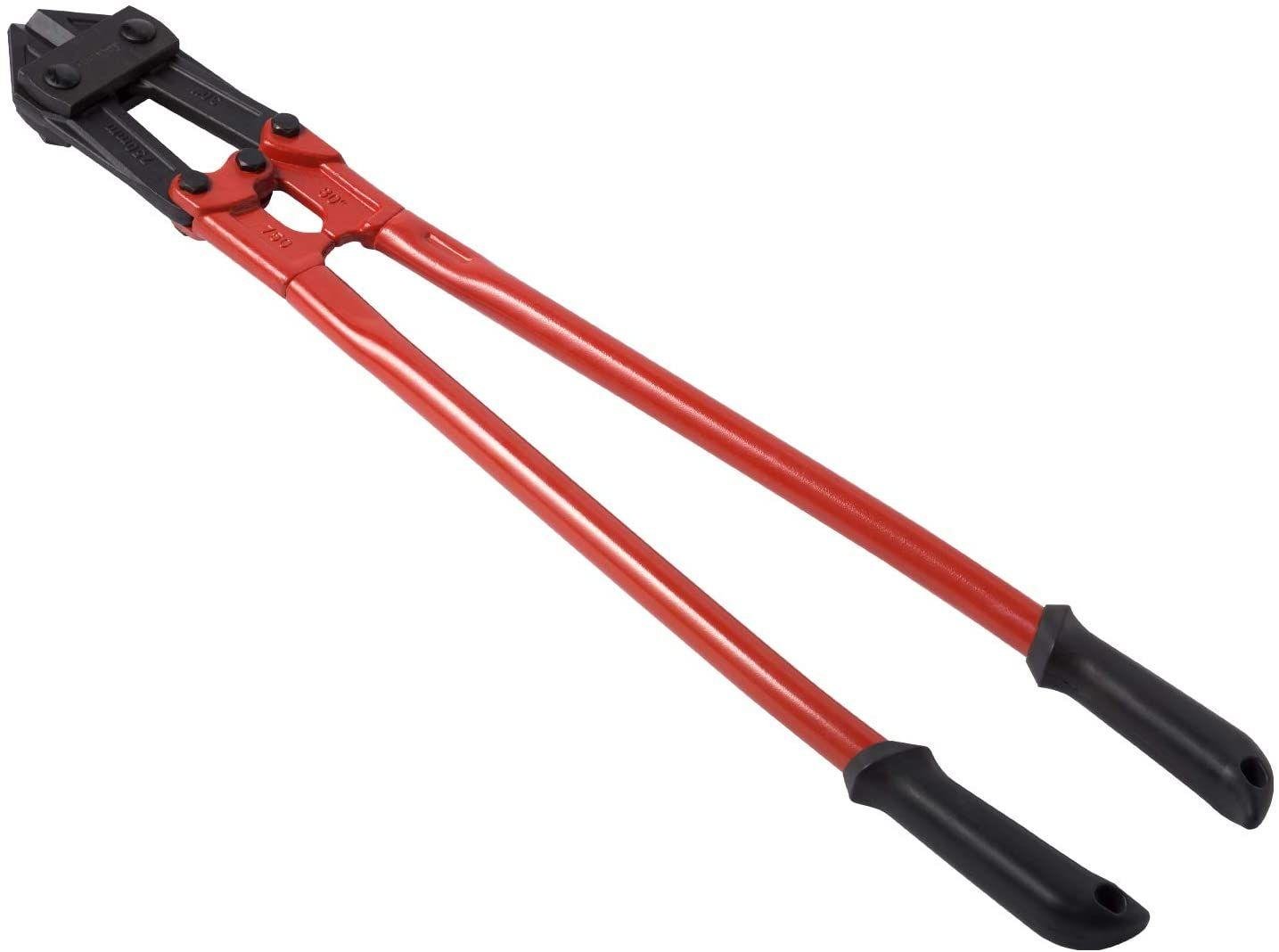
| Product Name | Bolt Cutter / Bolt Cropper |
| Tool Type | Heavy-Duty Manual Cutting Tool |
| Jaw Type | Center-Cut |
| Jaw Material | Forged Alloy / Chrome Vanadium Steel |
| Jaw Treatment | Heat Treated / Hardened |
| Cutting Edges | Precision Ground |
| Handle Material | Tubular Steel / Forged Steel |
| Handle Grip | Non-Slip PVC / Rubber Grip |
| Mechanism | High-Leverage Pivot Mechanism |
| Jaw Adjustment | Adjustable / Eccentric Jaw Adjustment depending on model |
| Cutting Materials | Bolts, Chains, Wire, Rods, Padlocks, Wire Mesh |
| Available Sizes | 12″, 14″, 18″, 24″, 30″, 36″, 42″ |
| Typical Hardness Capability | Up to approximately 40 HRC, depending on model |
| Handle Finish | Powder-Coated / Painted Steel |
| Grip | Ergonomic, Slip-Resistant |
| Application | Construction, Maintenance, Fabrication, Workshop, Industrial & MRO |
| Operation | Manual |
Cutting capacity varies significantly with the material grade and hardness. For example, Clarke lists capacities from 8 mm for 14″ through 19 mm for 42″, while other professional designs specify lower capacities for harder materials.
Key Features
- Heavy-duty professional bolt cutter
- High-strength forged cutting jaws
- Hardened and heat-treated cutting edges
- Precision-ground blades for clean cutting
- Center-cut jaw configuration
- High-leverage long-handle design
- Strong tubular or forged steel handles
- Ergonomic non-slip grips
- Adjustable jaw mechanism on selected models
- Suitable for bolts, chains, rods and wire
- Available in multiple lengths
- Designed for industrial and construction applications
Typical Applications
- Construction sites
- Steel fabrication
- Mechanical workshops
- Oil & gas maintenance
- Industrial maintenance
- MRO applications
- Cutting chains and wire
- Cutting bolts and threaded rods
- Cutting wire mesh
- General workshop use
Safety: Always wear approved eye protection when using a bolt cutter because cut metal can produce flying fragments. Bolt cutters are generally not electrically insulated and should not be used as electrical-safety tools.