Technical Specification
| Specification | Typical Details |
|---|---|
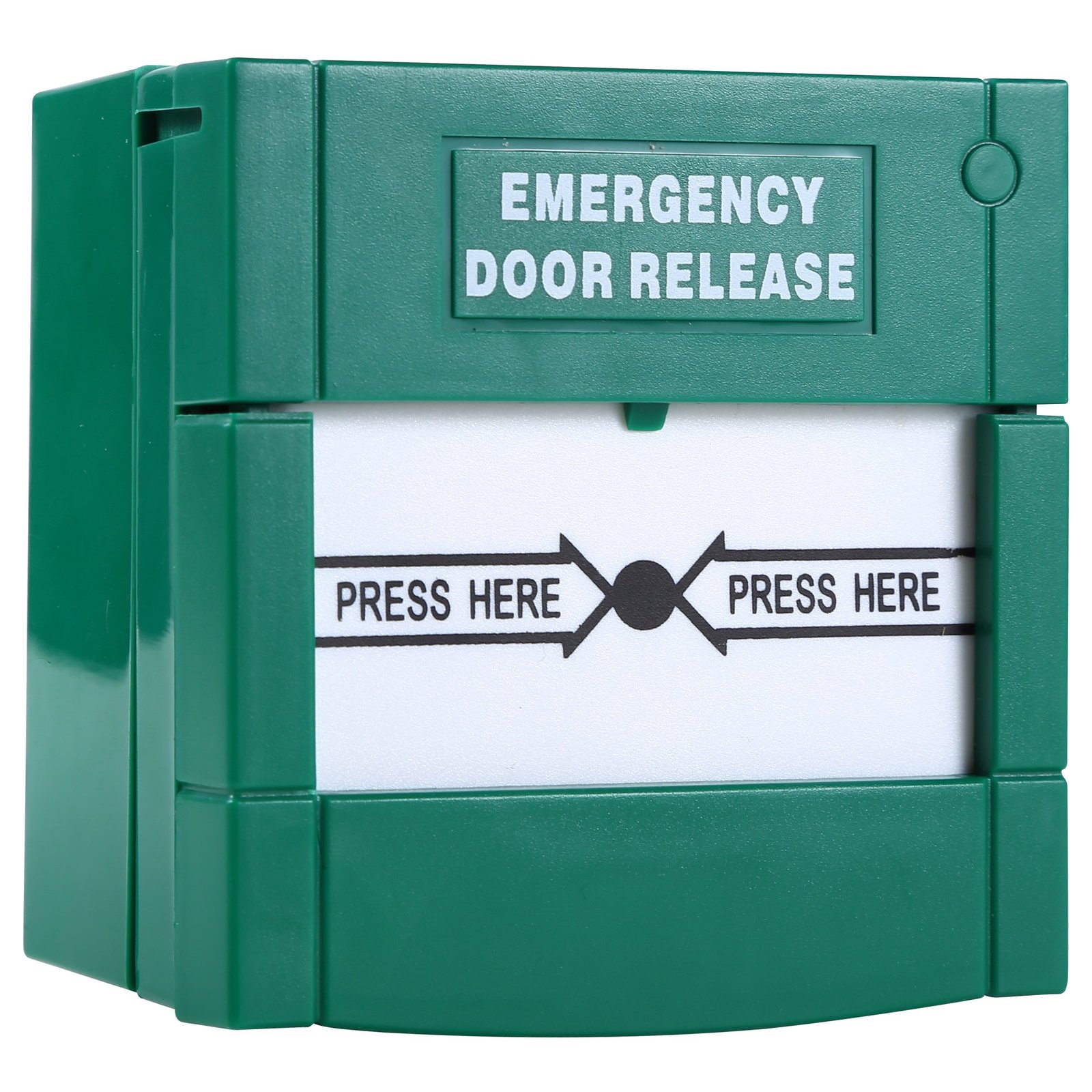
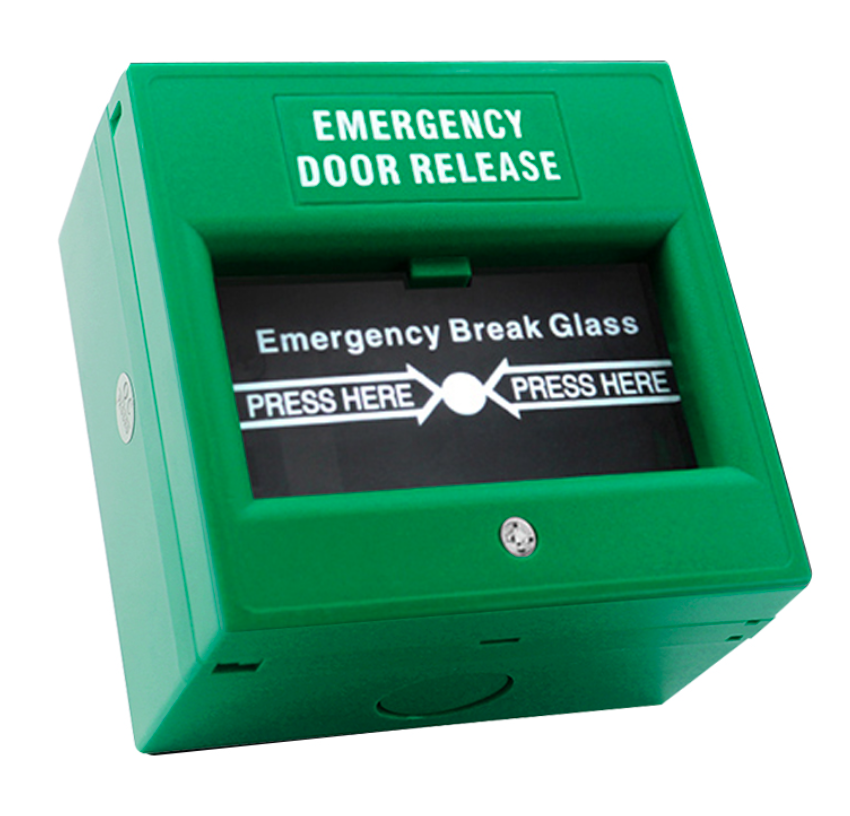
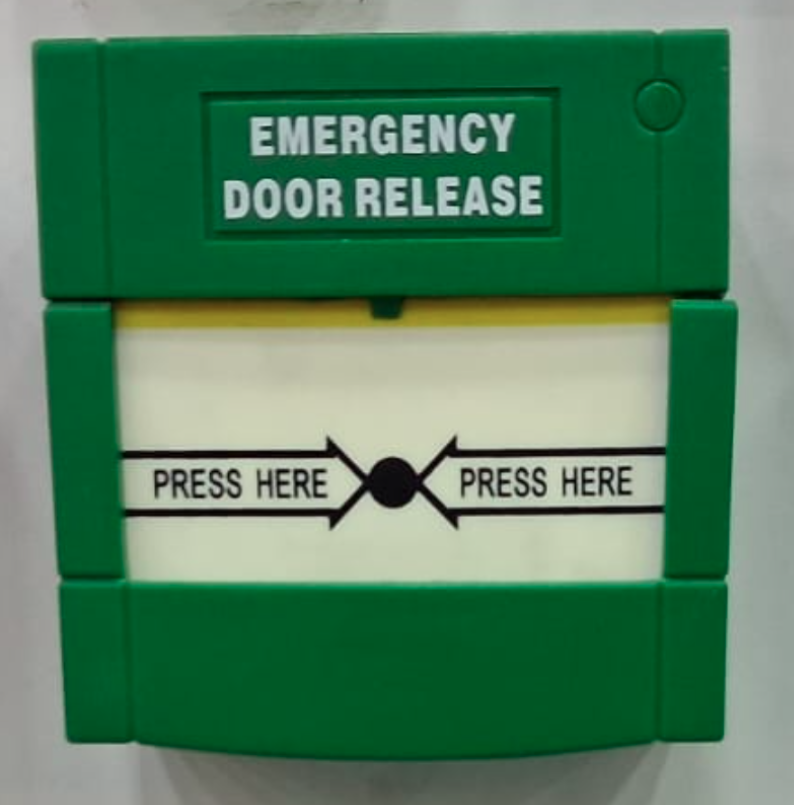
| Product Name | Emergency Door Release / Emergency Door Exit Release |
| Application | Emergency release of electrically controlled doors |
| Type | Manual emergency break-glass / resettable type |
| Mounting | Surface wall mounting |
| Housing Material | ABS / polycarbonate, depending on model |
| Colour | Green or red, depending on application/model |
| Operation | Press button / break-glass operation |
| Reset | Key-resettable or replaceable glass type |
| Electrical Contacts | Changeover contacts (NO/NC/COM), model dependent |
| Contact Rating | Typically up to 3 A @ 30 VDC or model-specific |
| Operating Voltage | Usually dry-contact operation; compatible with access-control circuit |
| LED Indicator | Optional / available on illuminated models |
| Emergency Marking | “EMERGENCY DOOR RELEASE” / “DOOR RELEASE” |
| Protection | Suitable for indoor applications; IP rating depends on model |
| Installation | Wall/surface mounted |
| Wiring | Screw terminals / terminal block |
| Reset Method | Key reset on resettable models |
| Application Areas | Offices, warehouses, factories, hotels, hospitals, schools, commercial buildings |
Typical Features
- Provides immediate manual door release during an emergency.
- Can be connected to an electromagnetic lock or electric locking system.
- NO/NC/COM contacts allow flexible wiring.
- Available in break-glass and resettable versions.
- Clear emergency identification.
- Easy surface installation.
- Resettable models avoid replacing the glass after activation.
- Suitable for integration with access-control systems.
- Robust plastic housing for normal industrial/commercial environments.
Typical Wiring
COM + NC/NO contacts are normally wired into the door-lock/access-control circuit. When the emergency release is activated, the circuit changes state and the connected locking device can be released.